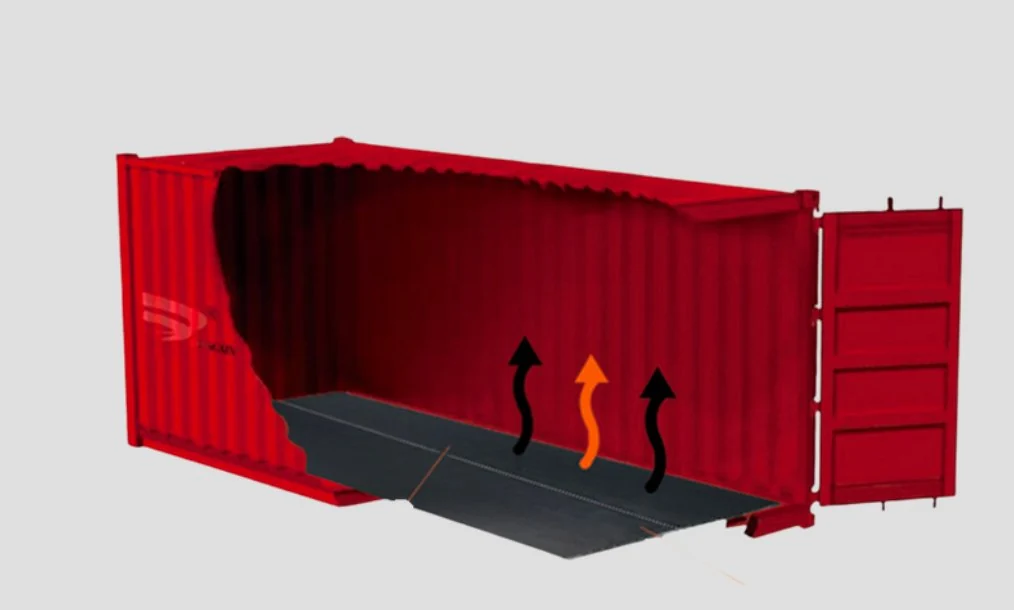
Sun Flexitanks Heater Pads are engineered to outperform generic alternatives on every metric — from heating efficiency to compliance and cost.
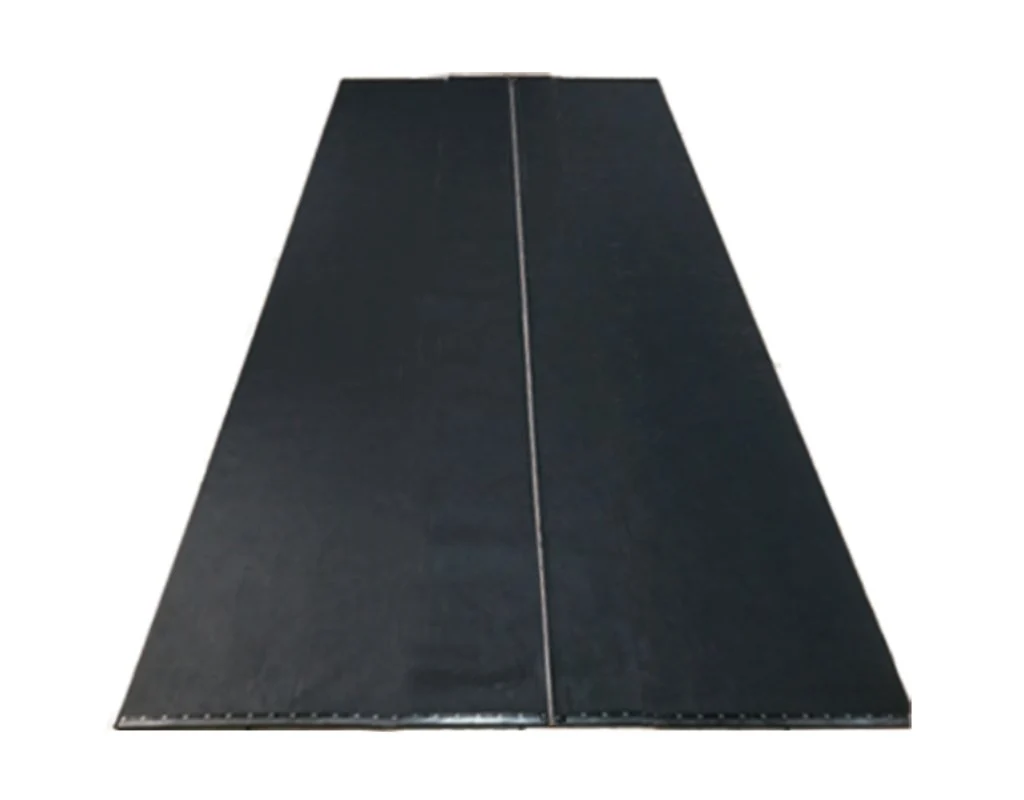
The E-Wave Heater Pad uses advanced carbon fibre technology to deliver faster, more precise heating — ideal for liquid cargoes that solidify at low temperatures and require even bottom-up heating for safe discharge.
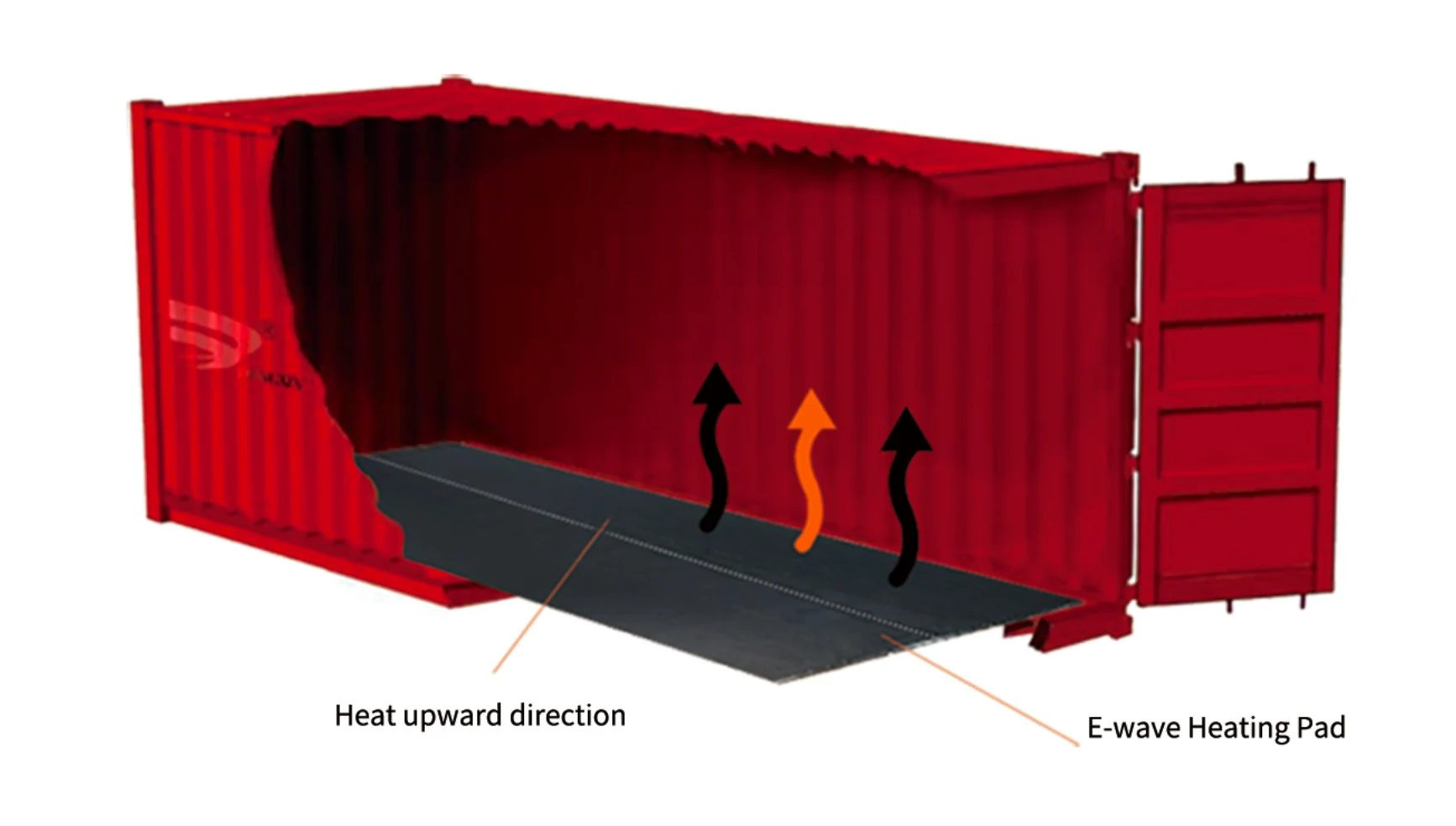
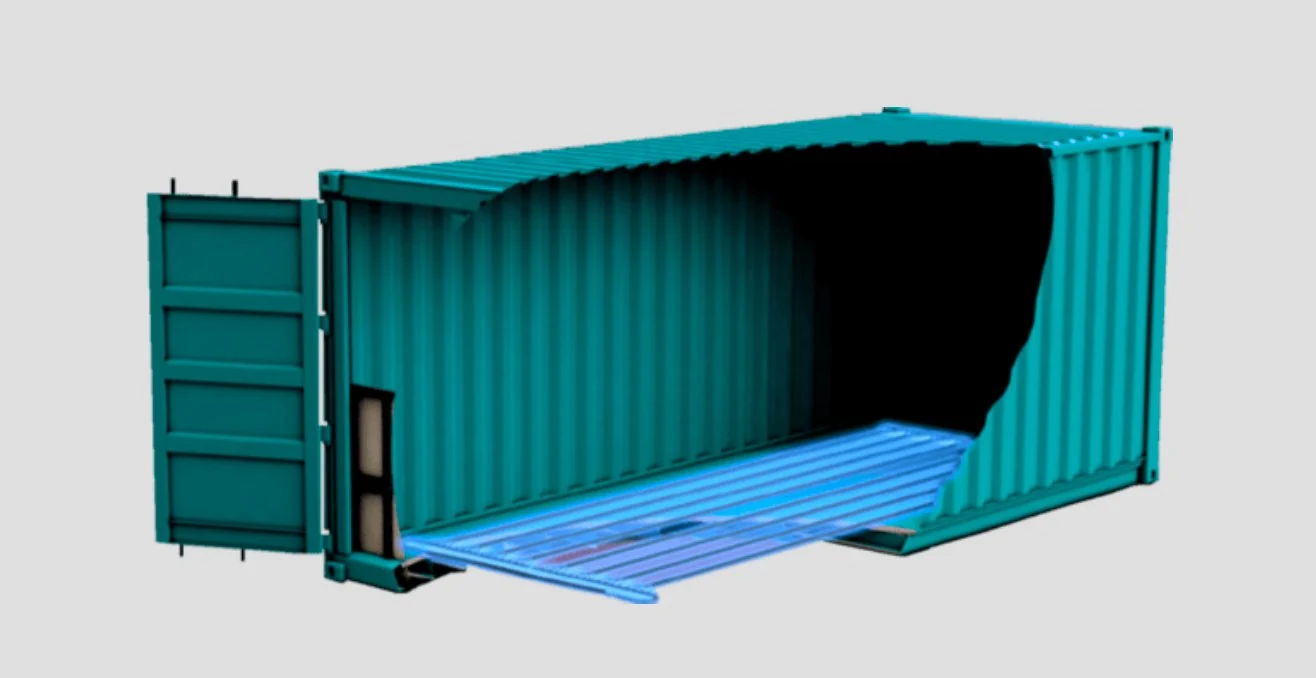
The Steam Heater Pad circulates steam throughout the container to heat the flexitank gradually and evenly from all four sides — a cost-effective and reusable solution well-suited to standard port infrastructure.
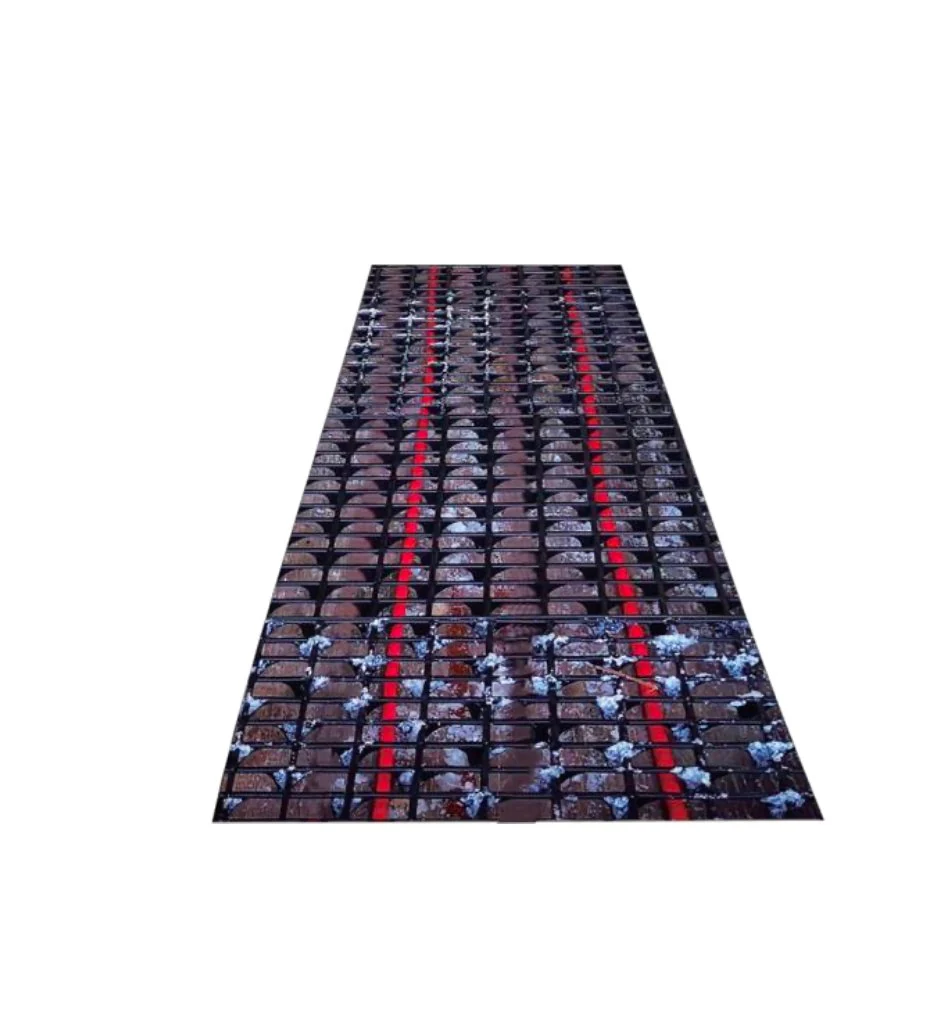
Not sure which pad is right for your cargo? Use this comparison to find the best fit.
| Feature | ⚡ E-Wave | ♨️ Steam |
|---|---|---|
| Heating speed | Faster & more efficient | Gradual |
| Heat source | Electric (carbon fibre) | Hot water or steam |
| Heat distribution | Even bottom-up heating | All four sides |
| Temperature control | Precise (carbon fibre) | Moderate |
| Installation complexity | More complex | Easier |
| Reusability | Single use | Up to 5 times |
| Best for | Solidifying cargoes (palm oil, waxes, fats) | General viscous liquid cargoes |
| Port infrastructure needed | Electrical supply | Steam / hot water supply |
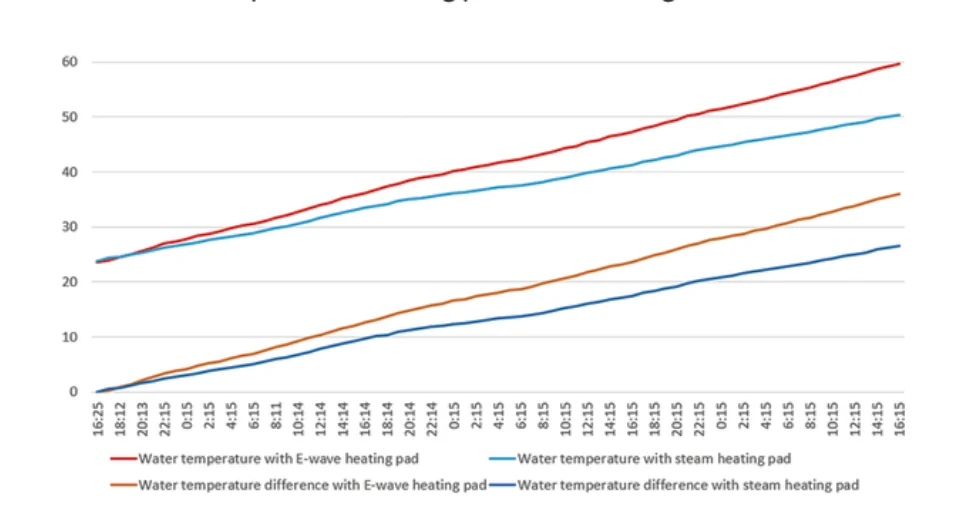
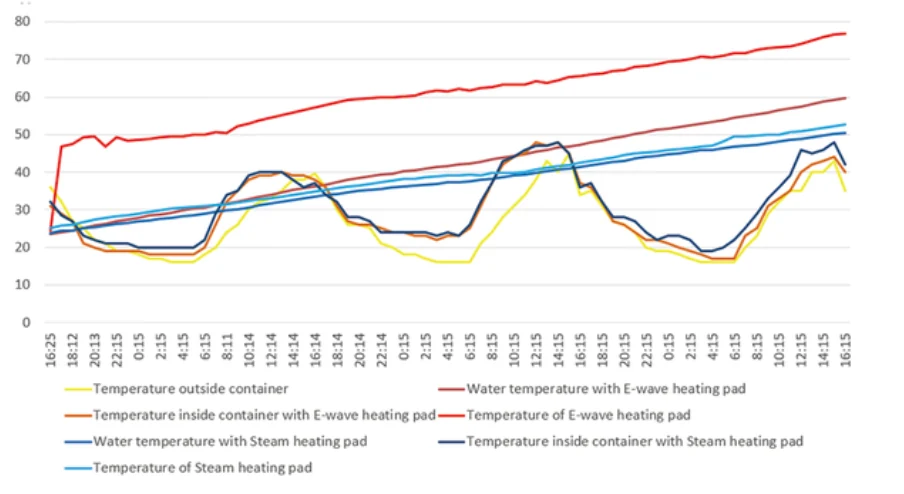
Independently recorded temperature data comparing E-Wave and Steam Heater Pad performance across 24,000 litre cargo loads.
Sun Flexitanks Heater Pads meet international standards for use with food-grade and chemical bulk liquid cargo.




Everything you need to know before specifying a heater pad for your shipment.
Both the E-Wave and Steam Heater Pad work. But they work differently — and choosing the right one can make a significant difference to your discharge…
A well-loaded, properly discharged flexitank is a seamless operation. Here's everything you need to know at each stage.
For decades, steel drums were the default choice for shipping bulk liquids. Here's why flexitanks are rapidly taking over.
More answers in our frequently asked questions, or read about Sun Flexitanks and our 20+ years in bulk liquid transport.